If there was one thing the 2026 Grammy Awards made clear, it’s this: the red carpet has officially become a citation page. The strongest looks of the night weren’t chasing trends or virality—they were grounded in fashion history. Archival silhouettes, couture-era tailoring, and runway design codes showed up with intention, reminding us that style is less about novelty and more about knowledge.
Below, five Grammy moments that pulled directly from runway lineage—and why those references still matter.
Pharrell Williams, Pusha T & No Malice: Velvet, Reclaimed
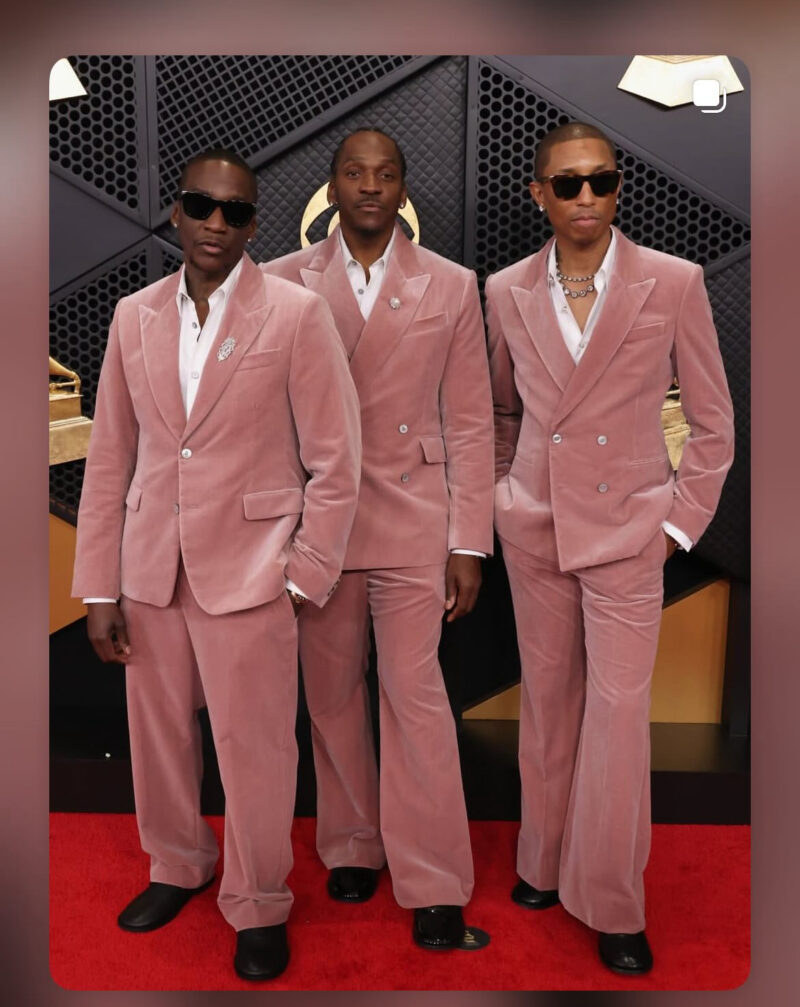
Pharrell Williams, Pusha T, No Malice
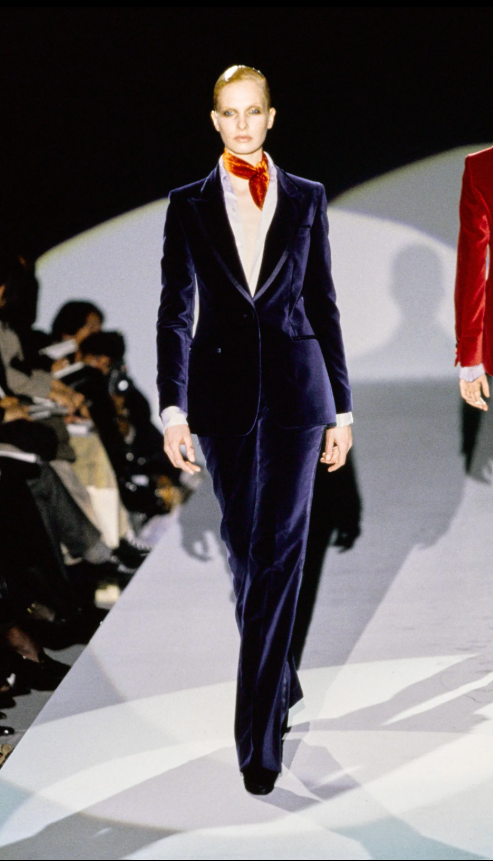
Coordinated blush velvet suits on the red carpet could have easily veered into costume. Instead, this trio delivered restraint and polish—pulling directly from the Tom Ford era at Gucci, when velvet, softness, and sensuality reshaped menswear in the late ’90s.
Ford’s Gucci years challenged rigid masculinity, proving that tailoring could be luxurious, fluid, and still powerful. This look revives that exact philosophy. Monochrome, deliberate, and quietly commanding, it shows how archival menswear codes continue to evolve through confidence, not excess.
Ari Lennox: Mugler’s Armor, Reimagined
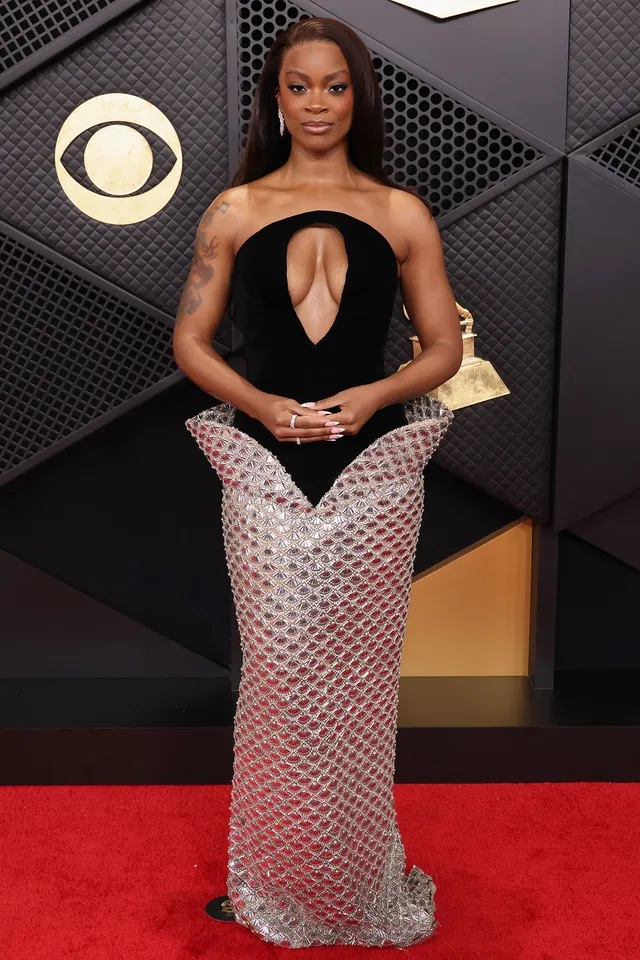
Ari Lennox
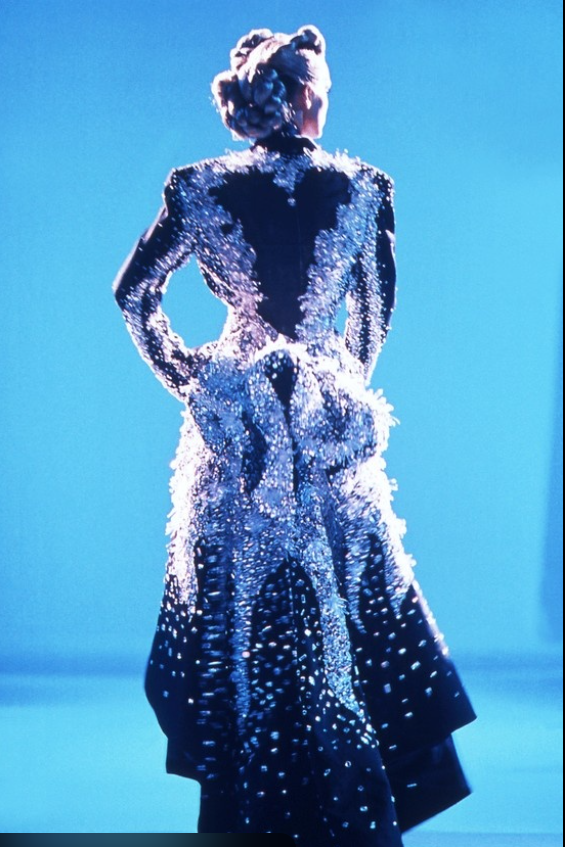
Ari Lennox’s sculpted black bodice paired with an architectural crystal skirt was unmistakably Mugler-coded. The silhouette immediately calls back to Thierry Mugler’s Spring 1998 couture, where the body was framed as both sensual and untouchable.
Mugler’s late-’90s work centered on erotic armor—corsetry designed not to soften, but to sharpen. Lennox’s look carries that same tension: precision above, spectacle below. It’s a reminder that Mugler’s influence isn’t about drama for drama’s sake—it’s about control, structure, and unapologetic presence.
Jamie Foxx: Patterned Tailoring as Power
Jamie Foxx
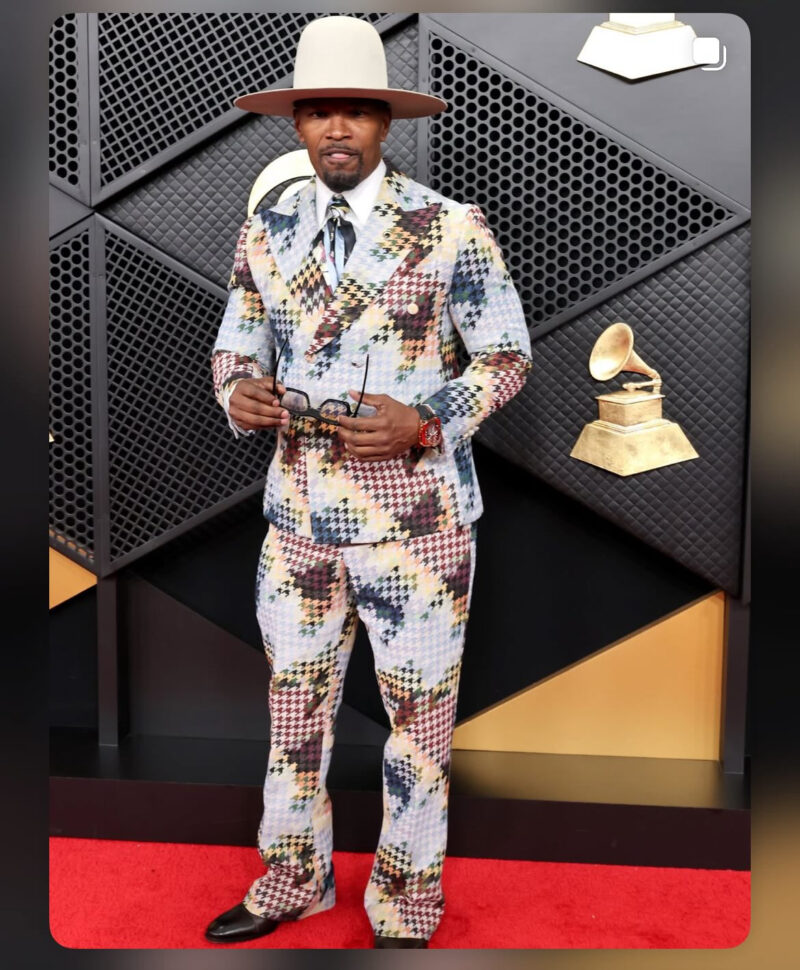
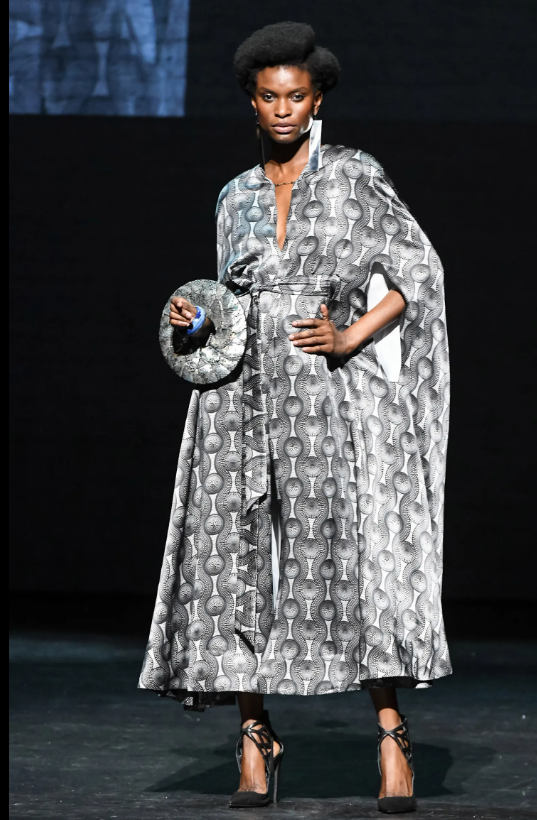
Jamie Foxx’s multicolor houndstooth suit was a masterclass in expressive tailoring. Oversized pattern, sharp structure, and a wide-brim hat placed the look squarely within the tradition of modern British dandyism—where tailoring isn’t about blending in, it’s about presence.
The lineage traces back to designers like Ozwald Boateng, who redefined Savile Row in the late ’90s by treating suits as statements rather than uniforms. Foxx’s look carries that same energy: confident, intentional, and unafraid of visual impact.
Michelle Williams: Romantic Transparency, Done Right
Michelle Williams
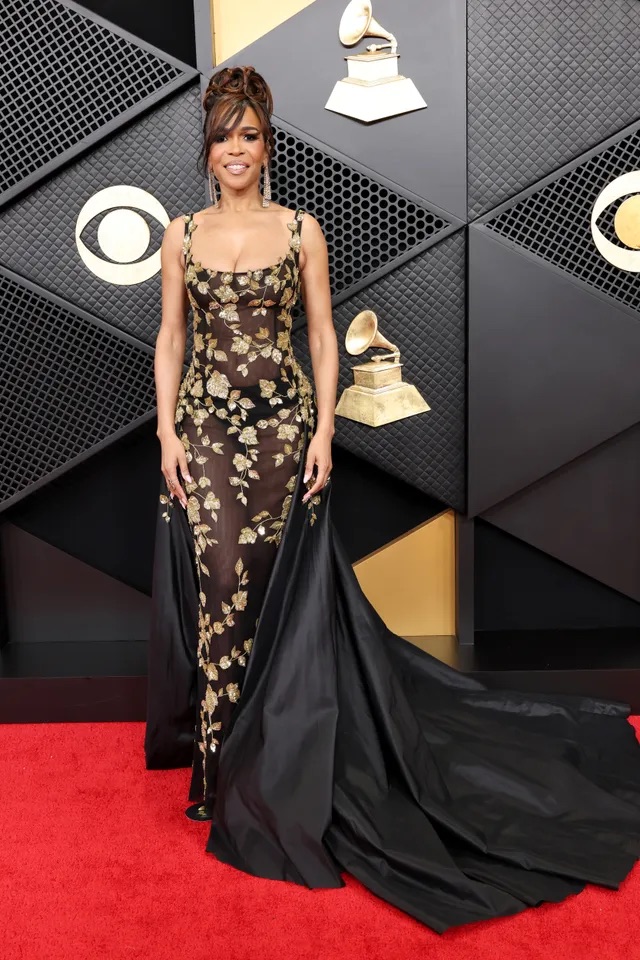
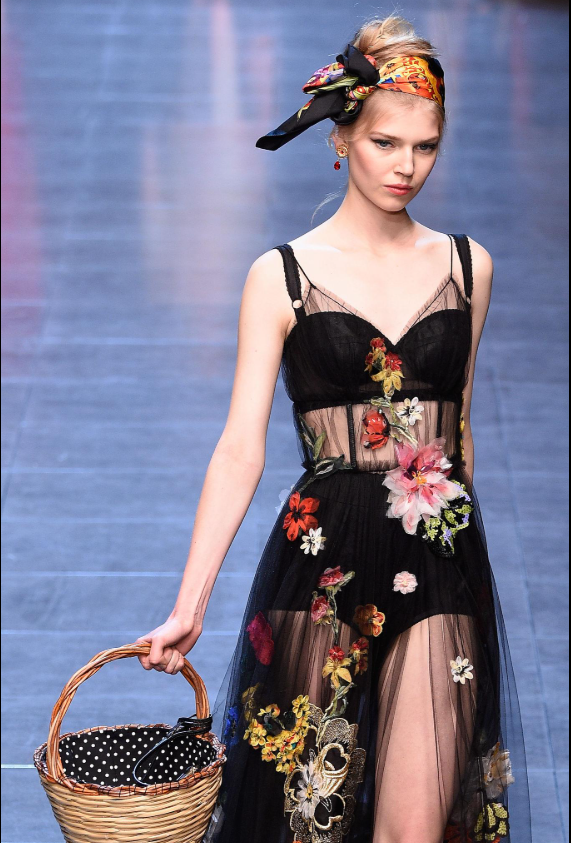
Michelle Williams stepped onto the carpet in a sheer black gown embroidered with gold florals, striking the delicate balance between romance and restraint. This silhouette aligns closely with Dolce & Gabbana’s late-’90s runway language, where transparency, lace, and floral motifs framed the body without diminishing its strength.
Florals here aren’t decorative—they’re strategic. This look echoes an era when sensuality was intentional, layered, and controlled. It’s archival romance without softness, proving that femininity on the red carpet doesn’t need to be diluted to be elegant.
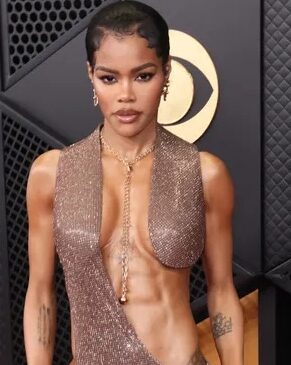
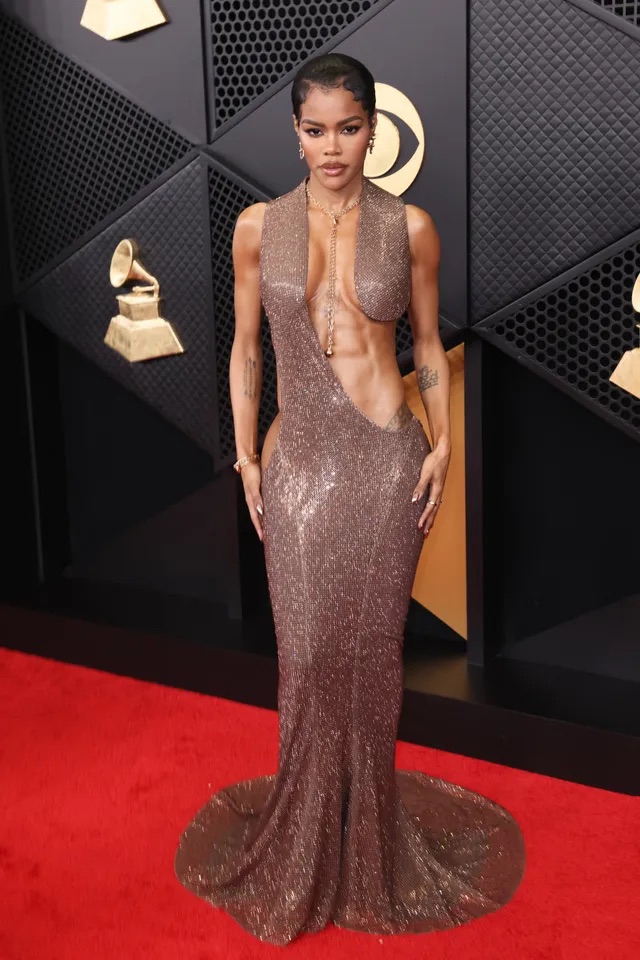
Teyana Taylor: When the Body Is the Blueprint
Teyana Taylor
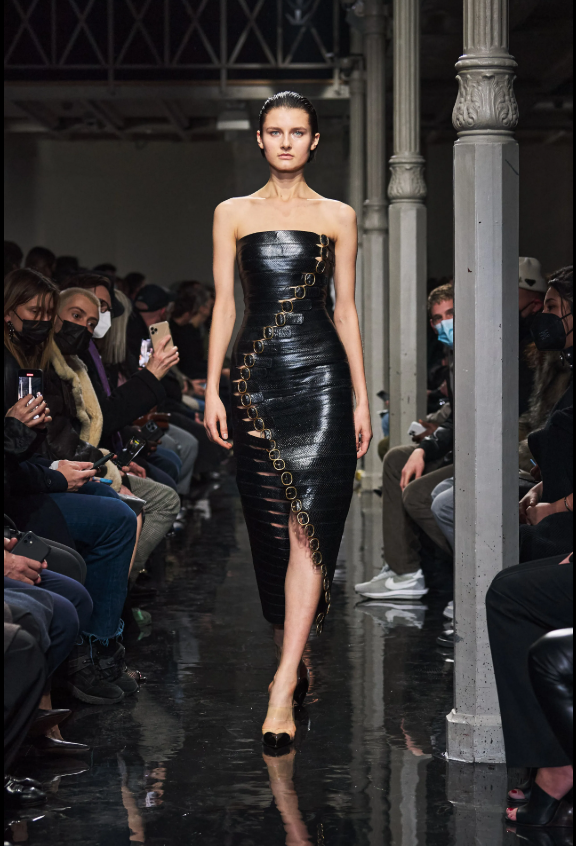
Teyana Taylor’s bronze cut-out column gown follows a philosophy rather than a trend—one rooted in the work of Azzedine Alaïa. Alaïa didn’t believe in decorating the body; he believed in understanding it.
The sculptural cut-outs, metallic fabric, and disciplined silhouette speak directly to his approach from the ’80s and ’90s, where form, movement, and precision defined sensuality. This look doesn’t rely on excess or embellishment. It relies on structure—and that’s exactly why it works.
Archival fashion isn’t about looking backward—it’s about fluency. These Grammy looks resonate because they understand the runway as foundation, not reference. They treat fashion history as something to build on, not imitate. In an era obsessed with what’s next, these moments remind us that the strongest style statements come from knowing where fashion has already been—and choosing to stand there with intention.
Fashion doesn’t repeat itself.
It reasserts.